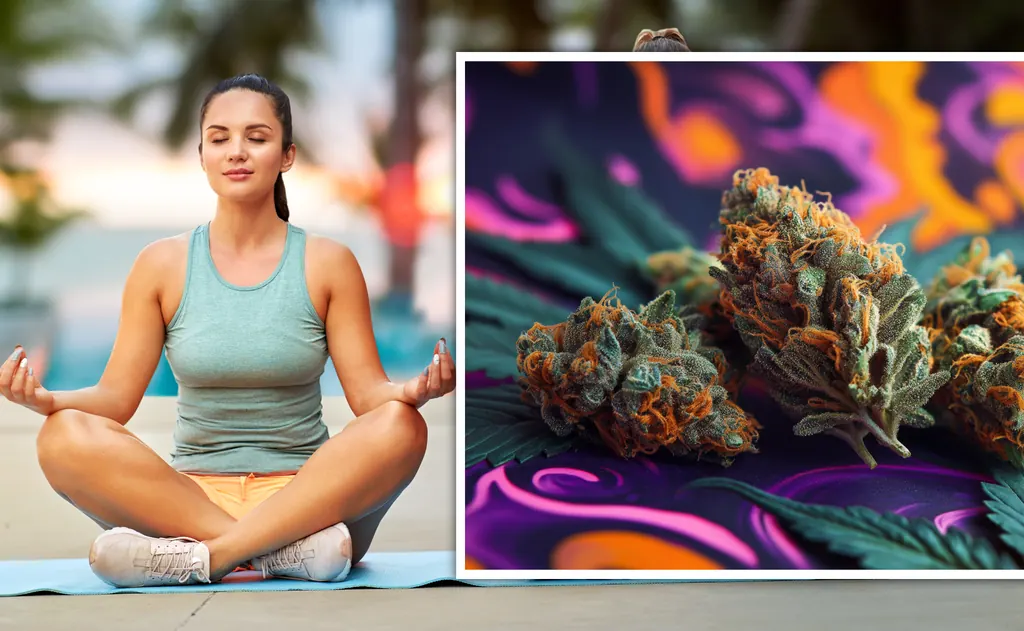
Yoga has long been celebrated for its ability to calm the mind, heal the body, and strengthen the connection between the physical and spiritual self. Meanwhile, cannabis-once shunned, now increasingly embraced-has found its way into wellness circles as a tool for stress relief, pain management, and heightened sensory awareness. But what happens when these two ancient and evolving practices meet?
Can combining weed and yoga lead to deeper relaxation, or are there hidden pitfalls to this popular pairing? Let’s explore the benefits, the risks, and what you should know before rolling out your mat and lighting up.
The Rise of Weed Yoga
The idea of mixing cannabis with yoga isn’t as novel as it might seem. In fact, Weed Yoga, a practice that combines mindful cannabis use with traditional yoga, has been gaining popularity since the early 2010s. The term was popularized by Dee Dussault a certified yoga instructor who began leading cannabis-enhanced yoga classes in San Francisco.
In these sessions, participants consume cannabis (typically through vaping, edibles, or low-dose smoking) before engaging in a gentle, mindful yoga flow designed to enhance body awareness and relaxation.
The idea is simple: marry the grounding, breath-focused qualities of yoga with the mood-enhancing, pain-relieving, and sensory-heightening effects of cannabis to deepen one’s connection to the practice.
Also read: First Time at a Dispensary? Here’s What to Expect
How Cannabis Might Enhance the Yoga Experience
- Heightened Body Awareness
One of the primary benefits of yoga is learning to tune into the body. Cannabis, particularly strains rich in THC and CBD, may help people become more attuned to sensations in the body, helping them notice subtle tensions, imbalances, or areas of tightness. This enhanced body awareness can help practitioners make micro-adjustments to their form or dive deeper into certain poses.
- Reduced Anxiety and Mental Chatter
Many yoga practitioners struggle with the mental side of the practice: quieting the mind. For some, cannabis can act as a buffer against the constant flow of intrusive thoughts, making it easier to stay present and enter a meditative state.
Strains with a balanced CBD:THC ratio can promote calmness without overwhelming psychoactive effects.
- Pain Relief and Muscle Relaxation
People with chronic pain or muscular tightness may find it difficult to engage in a regular yoga practice. Cannabis can help alleviate discomfort, reduce inflammation, and promote muscle relaxation, allowing for a gentler and more enjoyable experience.
The Science Behind It
Cannabis works by interacting with the endocannabinoid system (ECS)-a network of receptors and neurotransmitters found throughout the body and brain. The ECS plays a key role in regulating mood, pain perception, stress response, and homeostasis.
Yoga, on the other hand, has been shown to stimulate the parasympathetic nervous system (the body’s “rest and digest” mode), lowering cortisol levels and encouraging relaxation.
Together, yoga and cannabis may create a synergistic effect, amplifying each other’s benefits: cannabis interacts with the ECS to modulate pain and anxiety, while yoga supports nervous system regulation and emotional balance.
Choosing the Right Strain and Dose
Not all cannabis experiences are created equal. The impact of cannabis on your yoga practice will depend heavily on:
- Strain – Sativa strains are often uplifting and energizing, while indica strains are more calming and body-focused. For yoga, many prefer hybrid or indica-leaning strains to avoid overstimulation.
- THC vs. CBD Content – High-THC strains can induce anxiety in some users, especially in unfamiliar settings. Strains with higher CBD content or a balanced CBD:THC ratio tend to provide relaxation without the “head high.”
- Dosage – Less is more. Especially when combining cannabis with a mindful practice like yoga, starting with a low dose helps avoid dizziness, confusion, or couch-lock.
- Consumption Method – Smoking, vaping, or using tinctures provides faster onset, allowing for more control. Edibles are trickier due to delayed onset and variable potency.
Potential Drawbacks and Cautions
Despite the perceived benefits, combining weed and yoga isn’t for everyone. Here are a few considerations and risks:
- Decreased Coordination and Balance
Cannabis can impair motor coordination and balance-two things you definitely need on the mat. Poses that require stability, inversion, or complex transitions could become riskier under the influence.
- Paranoia and Anxiety
For some, especially beginners or those using high-THC strains, cannabis can heighten anxiety or paranoia. This can make the practice uncomfortable or even mentally distressing.
- Legal and Social Implications
Depending on where you live, using cannabis before or during a yoga class may have legal or social consequences. Always check local laws and regulations before partaking.
- Dependence on Substances for Relaxation
While combining cannabis and yoga can be an enjoyable experience, there’s a risk of becoming dependent on weed as a crutch for relaxation or presence. Ideally, yoga teaches us how to tap into our inner calm without needing external tools.
Also read: Can Cannabis Help With Anxiety? Here’s What Science Says
Is It “Authentic” Yoga?
One ongoing debate in the yoga community is whether incorporating substances like cannabis dilutes the spiritual or traditional essence of yoga. Yoga, at its roots, is a discipline of self-awareness, clarity, and conscious connection-not escape or intoxication.
Proponents argue that cannabis, when used with intentionality and respect, can serve as a modern aid for expanding awareness. Critics worry that it turns a sacred practice into a trendy, recreational activity.
There’s no clear answer, and like many aspects of yoga in the West, it’s evolving. The key lies in mindful use, clear intention, and personal responsibility.
Tips for a Safe and Mindful Cannabis-Enhanced Yoga Practice
If you’re curious about blending weed with yoga, here are some tips to make it a safe, enjoyable, and mindful experience:
- Start Low and Go Slow
Try a very small dose, especially if you’re new to cannabis or yoga. Observe how your body responds before increasing.
- Create a Safe Space
Practice at home or in a trusted, calm environment. Avoid public or intense yoga classes until you’re comfortable.
- Stay Hydrated and Nourished
Cannabis can cause dry mouth or low blood sugar. Have water and a light snack nearby.
- Avoid Complex Poses
Stick to gentle flows, restorative or yin yoga styles that emphasize stretching, breathwork, and stillness over balance or strength.
- Listen to Your Body
If you feel off, lightheaded, or anxious, pause the practice. Return to your breath and rest in a child’s pose or savasana.
- Journal Afterward
Take time to reflect on how the cannabis-enhanced practice felt-physically, mentally, emotionally. Use this to guide future sessions.
Conclusion
Whether or not cannabis has a place in your yoga journey is a deeply personal choice. For some, it opens a new dimension of awareness, easing tension and inviting deeper relaxation. For others, it may cloud the clarity that yoga seeks to cultivate.
Like any substance, cannabis is a tool-not a shortcut. When used mindfully and in moderation, it may enhance your yoga experience. But it’s not a requirement. The real magic of yoga lies in its invitation to be fully present in your body, with or without any outside aid.
As with all wellness practices, intention matters most. Whether you’re high on weed or high on breath, the true goal of yoga is always the same: to come home to yourself.