Cannabis consumption is no longer a fringe activity reserved for a niche audience. With the growing acceptance and legalization of cannabis across the globe, more consumers are turning to dispensaries to purchase products that suit their needs. Whether you’re a seasoned user or a newcomer, understanding cannabis product labels is key to making informed decisions. The cannabis market has expanded rapidly, and product labels can often be overwhelming with their technical jargon, complex information, and varying formats.
In this blog, we will dive deep into how to read cannabis product labels like a pro. From deciphering THC and CBD levels to understanding terpene profiles and dosage recommendations, we’ll help you navigate the label and make the best choice for your preferences and needs.
The Basic Structure of Cannabis Labels
Cannabis product labels typically include several key sections that provide important information about the product. While the specific details may vary depending on the brand, type of product, or local regulations, here are the most common elements you’ll find on a cannabis label:
1. Product Name
The product name is typically the first thing you’ll see on the label. It can be descriptive, brand-driven, or both. Common product types include flower, edibles, concentrates, oils, tinctures, and topicals. For instance, a cannabis flower strain might be labeled “Blue Dream,” while a cannabis edible might read “Infused Chocolate Bar.”
2. Cannabinoid Content (THC and CBD)
Cannabinoids are the chemical compounds found in cannabis that interact with the body’s endocannabinoid system. THC (tetrahydrocannabinol) is the primary psychoactive compound in cannabis, responsible for the “high” effect, while CBD (cannabidiol) is non-psychoactive and often used for therapeutic benefits. The concentration of THC and CBD is usually listed in percentage terms or milligrams per serving.
- THC Content: This will usually be the most prominently featured number on the label, as THC levels are critical for those who are looking for a psychoactive experience. It will either be listed as a percentage (e.g., 20%) or milligrams per gram (mg/g).
- CBD Content: Many consumers also seek CBD products for their purported therapeutic effects, such as reducing anxiety or inflammation. Some labels will also list the percentage or milligrams per serving of CBD.
- Pro tip: Keep in mind that higher THC content doesn’t necessarily mean a “better” experience. It’s about personal preference, as well as how you want the product to make you feel.
You may also like: 5 Mistakes to Avoid When Buying Cannabis for the First Time
3. Terpene Profile
Terpenes are aromatic compounds found in cannabis and other plants. These compounds give cannabis its distinct flavors and aromas and are believed to play a role in the overall effects of the plant. The presence of terpenes like limonene (citrus), myrcene (earthy), or pinene (pine) can significantly influence the user’s experience, offering a boost of relaxation, focus, or creativity.
Look for terpene profiles on the label if you’re interested in the flavor and aroma experience, as well as how the product might affect your mood. You’ll often see them listed as percentages (e.g., 1.5% myrcene).
4. Product Type (Flower, Edibles, Concentrates, etc.)
Cannabis products come in a wide variety of formats, each with different dosing and effects. Here’s a quick guide to the most common types:
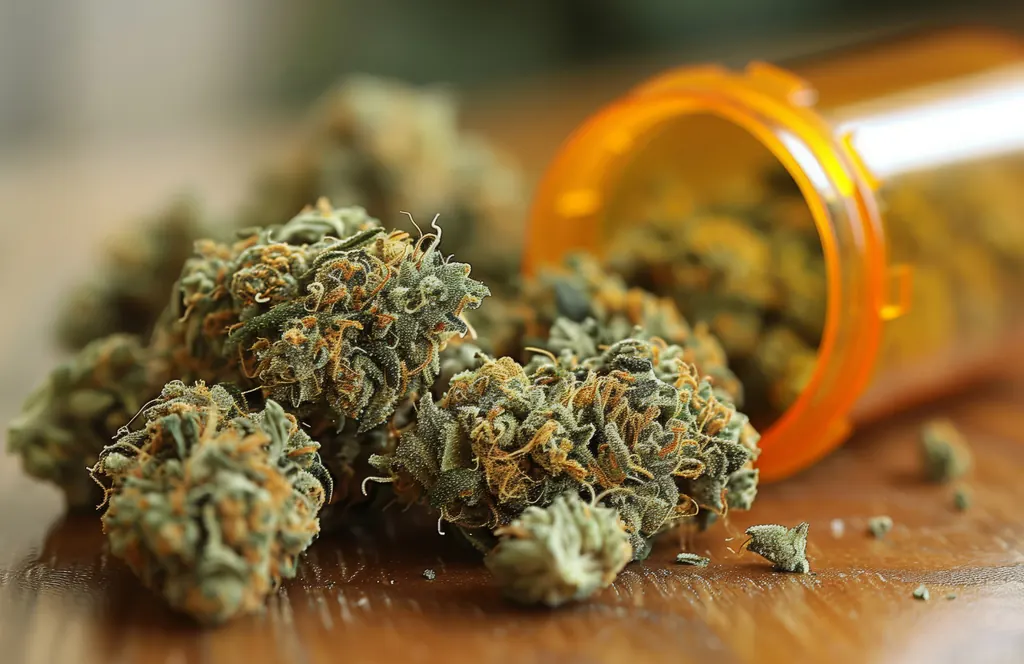
- Flower: Dried cannabis buds, typically smoked or vaporized.
- Edibles: Infused food or drink products, such as gummies, chocolates, or beverages.
- Concentrates: Potent extracts of cannabis (e.g., wax, shatter, live resin).
- Topicals: Creams, balms, and lotions infused with cannabis for localized relief.
- Vapes: Vaporized cannabis oil or concentrate in a portable cartridge format.
The label will typically indicate the product type, which will guide you in how you intend to consume it.
5. Serving Size / Dosage Information
Dosage is incredibly important, especially for edibles and concentrates. Cannabis affects everyone differently, and proper dosing ensures a pleasant experience.
For example, in edibles, the dosage is often listed as milligrams of THC per serving (e.g., a 10mg THC gummy). Be sure to check how many servings are in the product and consider starting with a low dose (e.g., 2.5-5mg) if you’re new to edibles or cannabis in general.
For flower and concentrates, the serving size may not always be listed, as smoking or vaping is more intuitive in terms of dosage (usually one inhalation at a time), but be mindful of how potent the product is.
6. Lab Testing Results and Certificates of Analysis (COA)
Reputable cannabis companies will provide lab test results to verify the cannabinoid content and confirm that the product is free from contaminants like pesticides, heavy metals, and mold. These test results are often accessible online or on the packaging itself.
A Certificate of Analysis (COA) is an official document from a third-party lab that provides a breakdown of cannabinoid levels, terpene profiles, and safety checks. If you’re concerned about the purity or potency of a product, always ask for this information. You can even check the product’s batch number for online access to the results.
7. Date of Manufacture/Expiration Date
Cannabis products have a shelf life, and potency may degrade over time. Most labels will include a date of manufacture, and some products may also list an expiration or best-by date. This is particularly important for cannabis edibles or oils, which may go rancid or lose potency more quickly than other forms.
How to Choose the Right Product for You
Understanding the label is just one part of the process; choosing the right cannabis product for your needs is equally important. Here’s how to make your decision:
- Determine Your Desired Effect
Different strains and products produce different effects. If you’re looking for relaxation and stress relief, you might want a product high in CBD or indica strains. If you need something to boost your energy or creativity, a product with higher THC and a sativa strain might be more appropriate.
- Start Low and Go Slow
If you’re new to cannabis or trying a new product type, always start with a low dose. For edibles, this might mean starting with a 2.5-5mg THC serving. For flower or concentrates, start with one or two puffs and wait at least an hour before taking more. It’s easy to overdo it, especially with edibles, which take longer to kick in.
- Know Your Tolerance
Understanding your tolerance is key to selecting the right product. If you’re a casual user or just starting out, lower THC products or CBD-heavy options are generally safer. However, if you’ve been consuming cannabis for a while, you may prefer higher THC products that offer a more potent experience.
- Check the Terpene Profile
Terpenes can be just as important as THC and CBD levels when choosing a product. If you want a calming experience, look for products rich in myrcene, which is known for its sedative effects. If you’re looking for something more uplifting or energizing, look for products high in limonene or pinene.
- Buy From Reputable Sources
Always purchase cannabis products from licensed dispensaries or reputable online retailers. A trustworthy source will prioritize transparency, product quality, and safety. Remember, the cannabis market is not fully regulated in all regions, so it’s important to make sure you’re buying from a vendor that follows safety standards and provides clear, accurate labeling.
You may also like: Pre-Rolls, Flower, or Edibles? Choosing the Right Product for You
Conclusion
Cannabis product labels can be a lot to digest, but once you get the hang of reading them, you’ll be equipped to make better purchasing decisions and enjoy a more tailored cannabis experience. Whether you’re looking for a mellow, relaxing experience or a potent, energizing high, understanding the label will ensure you get the most out of your cannabis product.
Keep in mind that responsible consumption is key to a positive experience, and always make sure you’re purchasing from trusted sources that provide transparency and lab testing.